Professional sewage treatment equipment manufacturer

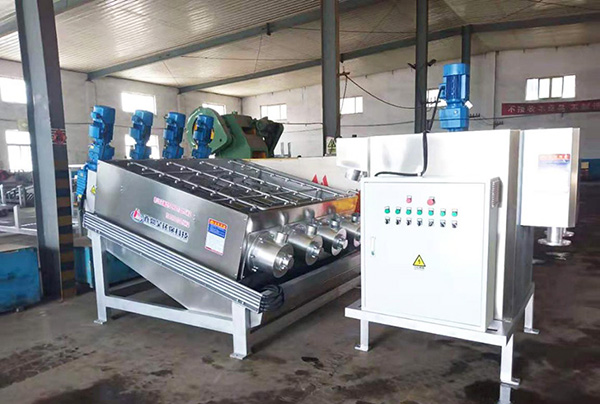


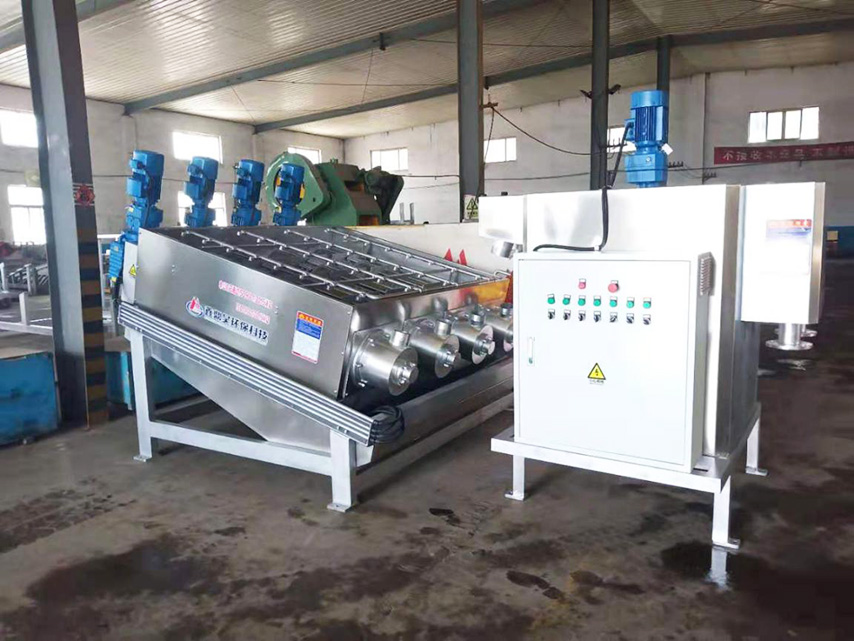
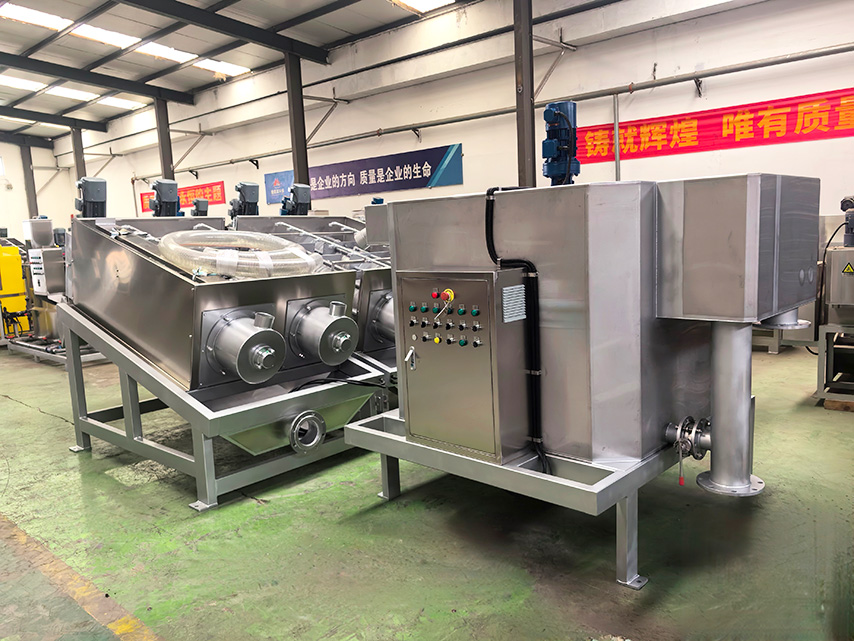
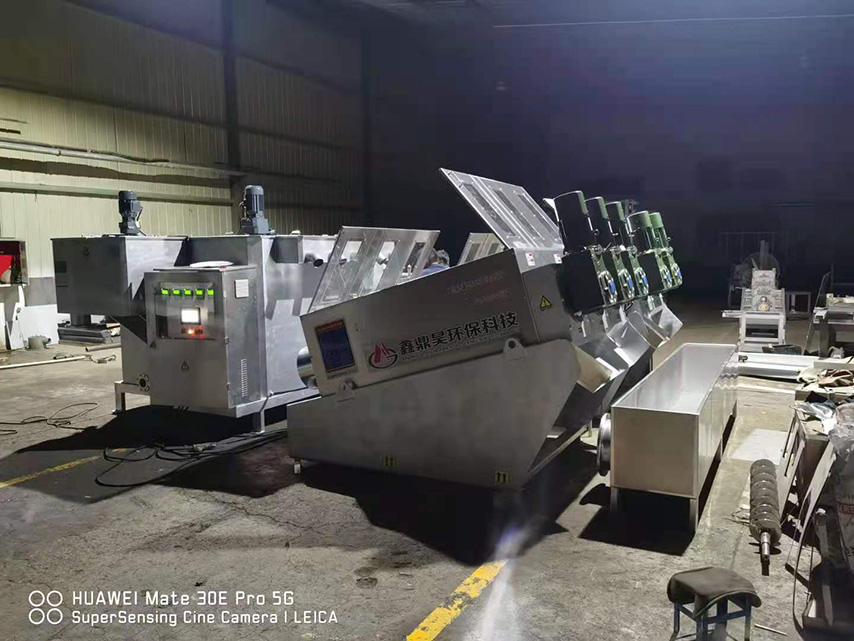
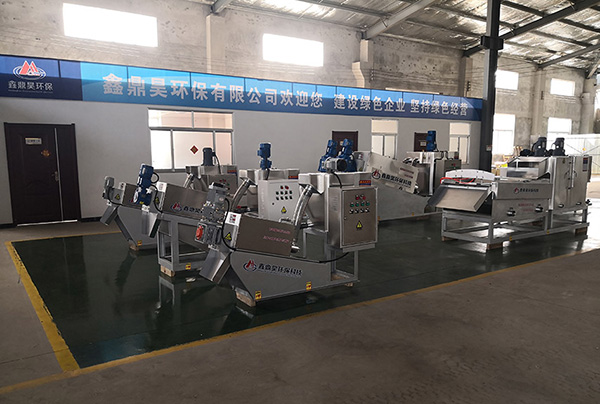
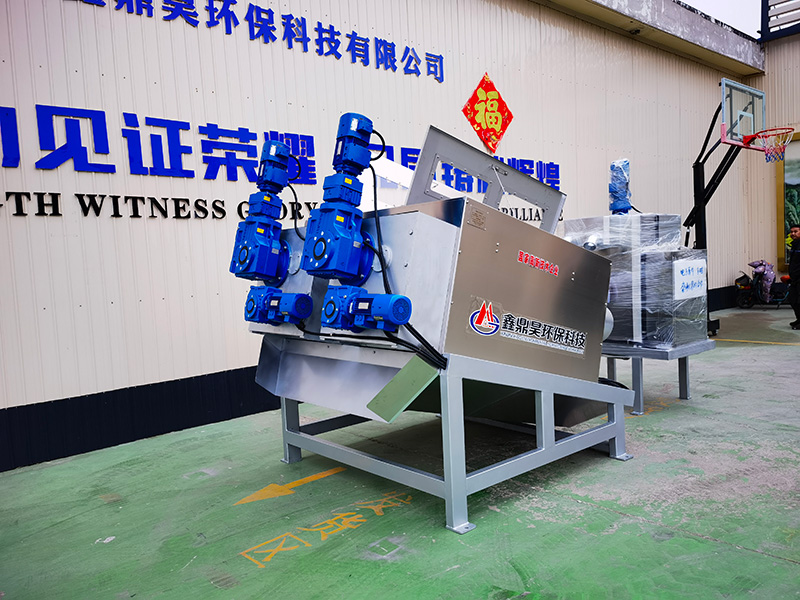
The main body of the screw press sludge thickener is a filtering device formed by the interlacing of fixed rings and moving rings, with a screw shaft running through them. The front section is the concentration section and the rear section is the dehydration section.
The filter gap formed between the fixed ring and the moving ring and the pitch of the screw shaft gradually decrease from the concentration section to the dewatering section. The rotation of the screw shaft not only propels the sludge from the concentration section to the dewatering section but also constantly drives the moving rings to clean the filter gaps, preventing clogging.
Product parameters
| 产品型号 | DS标准处理量 | 污泥流量 | 设计加药量 | |||
| 2500mg/L | 5000mg/L | 10000mg/L | 20000mg/L | |||
| XDHDN301 | 70~160kg/h | ~25m3/h | ~15m3/h | ~9m3/h | ~5.5m3/h | 800L |
| XDHDN302 | 140~320kg/h | ~50m3/h | ~30m3/h | ~18m3/h | ~11m3/h | 1600L |
| XDHDN303 | 210~480kg/h | ~75m3/h | ~45m3/h | ~27m3/h | ~16.5m3/h | 2400L |
| XDHDN304 | 280~640kg/h | ~100m3/h | ~60m3/h | ~36m3/h | ~22m3/h | 3200L |
| XDHDN351 | 120~200kg/h | ~50m3/h | ~30m3/h | ~18m3/h | ~11m3/h | 1000L |
| XDHDN352 | 240~400kg/h | ~100m3/h | ~60m3/h | ~36m3/h | ~22m3/h | 2000L |
| XDHDN353 | 360~600kg/h | ~150m3/h | ~90m3/h | ~54m3/h | ~33m3/h | 3000L |
| XDHDN354 | 480~800kg/h | ~200m3/h | ~120m3/h | ~72m3/h | ~44m3/h | 4000L |
| XDHDN401 | 200~320kg/h | ~80m3/h | ~45m3/h | ~27m3/h | ~16m3/h | 1600L |
| XDHDN402 | 400~640kg/h | ~160m3/h | ~90m3/h | ~54m3/h | ~32m3/h | 3200L |
| XDHDN403 | 600~960kg/h | ~240m3/h | ~135m3/h | ~81m3/h | ~48m3/h | 4800L |
| XDHDN404 | 800~1280kg/h | ~320m3/h | ~180m3/h | ~108m3/h | ~64m3/h | 6400L |
The optional Settings are rich
According to industry demands, for different types of screw press sludge dewatering machines, targeted materials such as 304 stainless steel ring plates that have undergone special heat treatment and inert gas anti-corrosion treatment by Xindinghao can be selected.
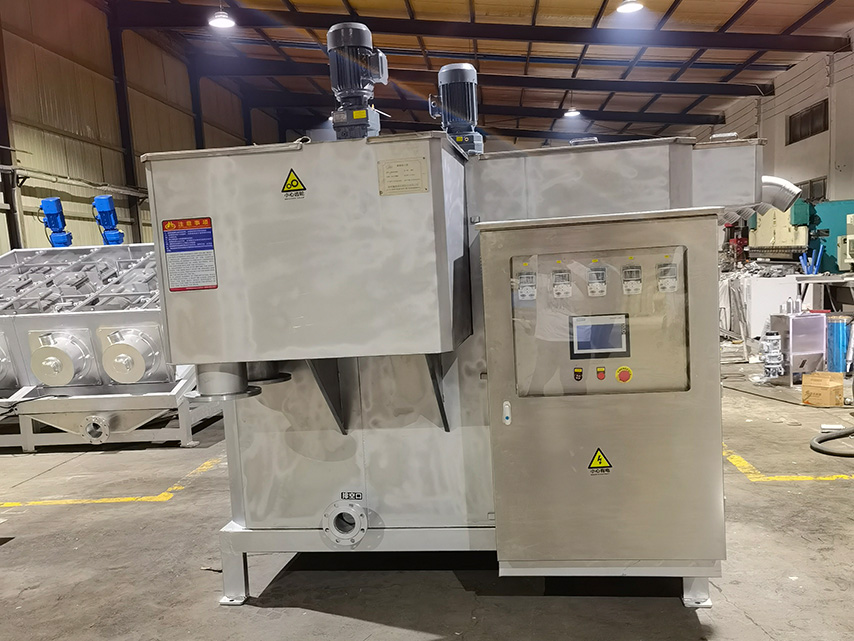
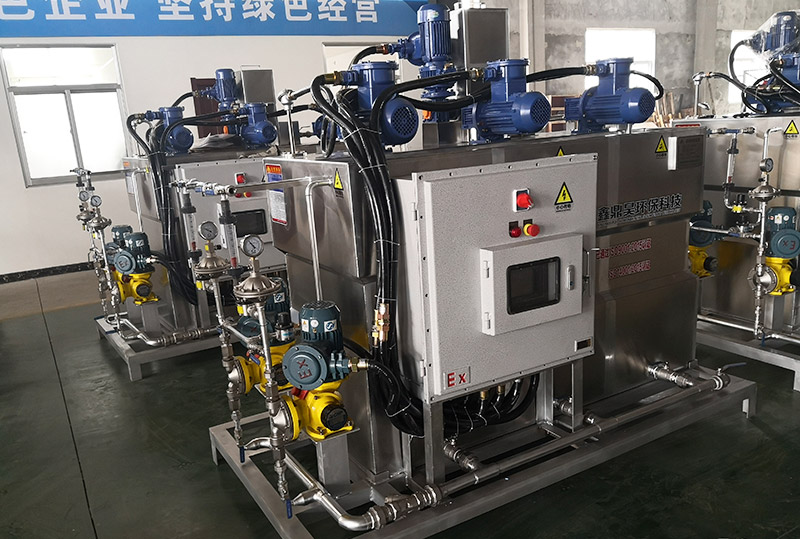
2. The model of the pipeline sludge and chemical mixer can be selected.
3. Models with multiple chemicals added;
4. Filtrate recovery model, saving operating costs;
5. Sludge concentration stable model;
6. Oily sludge treatment machine type;
7. Coarse fiber processing machines, etc.